Wire gauge might not be the most exciting part of building a solar power system, but it can be one of the most important. If you get it right, it will help your system run efficiently and safely, while also saving you money. Get it wrong, and you could run into overheating wires, unnecessary power losses, and a lot of wasted money.
We get a lot of questions about wire gauges for off-grid solar systems and cables for portable power stations. Luckily, once you understand a few key concepts, choosing the right wire for a solar power system is a lot easier than you probably think.
This guide will cover wire gauge basics, including the different types, lengths, and how you can select the correct wire for your own solar power system or backup power setup.
At its core, wire gauge is all about one thing: how much electrical current a wire can safely carry. Current is measured in amps, and it’s what generates heat inside a wire. As more current flows through a conductor, resistance increases, and that resistance generates heat.
If the wire is too small for the amount of current flowing through it, it can overheat and begin to degrade. If it runs long enough and generates enough heat, the wire could even become a fire hazard.
Avoiding overheating issues is actually why different wire sizes exist in the first place. Lower-power appliances and devices, like lamps and other small electronics, can safely use thinner wires because they don’t draw much current.
On the other hand, high-power loads, like ovens, space heaters, or a high-capacity off-grid solar inverter, require much thicker wires to handle the increased electrical demand. If the wires are too thin, they’ll dangerously overheat.
This concept is also very important when choosing solar cables for power stations and wiring for backup battery systems, as those are both applications that usually involve high levels of current.
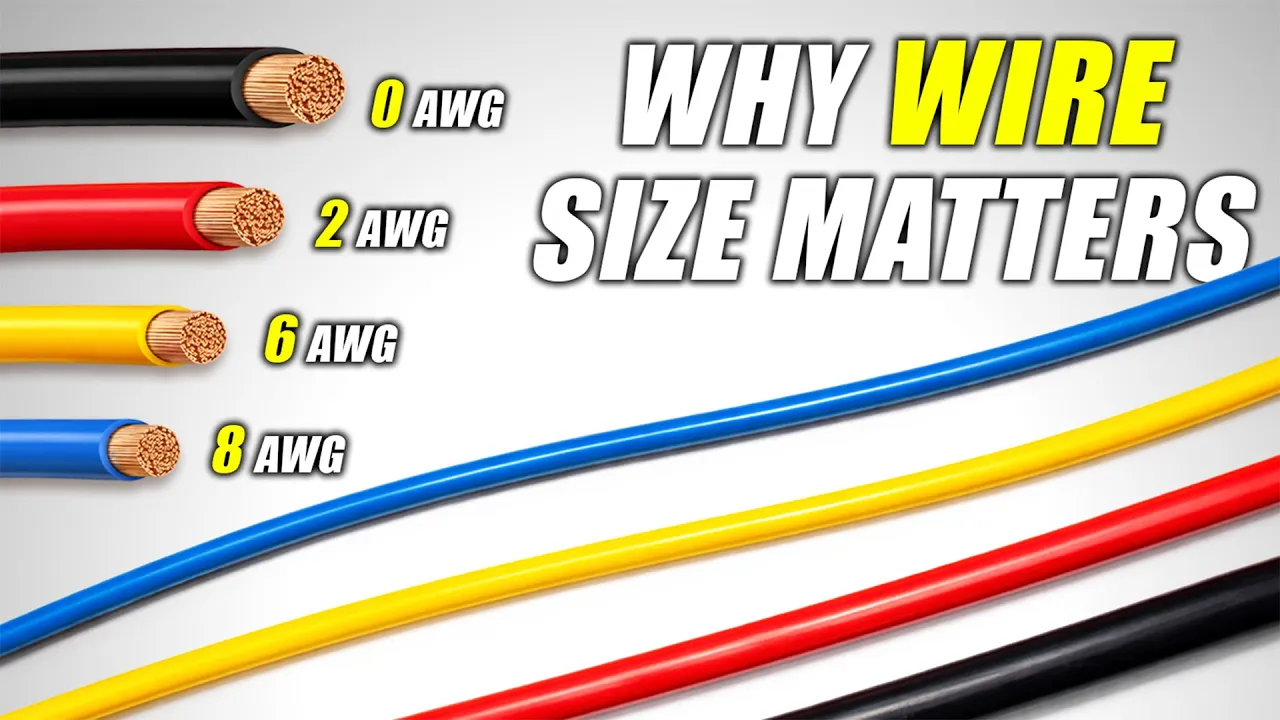
When people talk about wire size, they’re referring to the wire gauge, not the wire length. In North America, wire gauges are usually described using AWG, or American Wire Gauge. This is the standardized system used to define the diameter of electrical conductors.
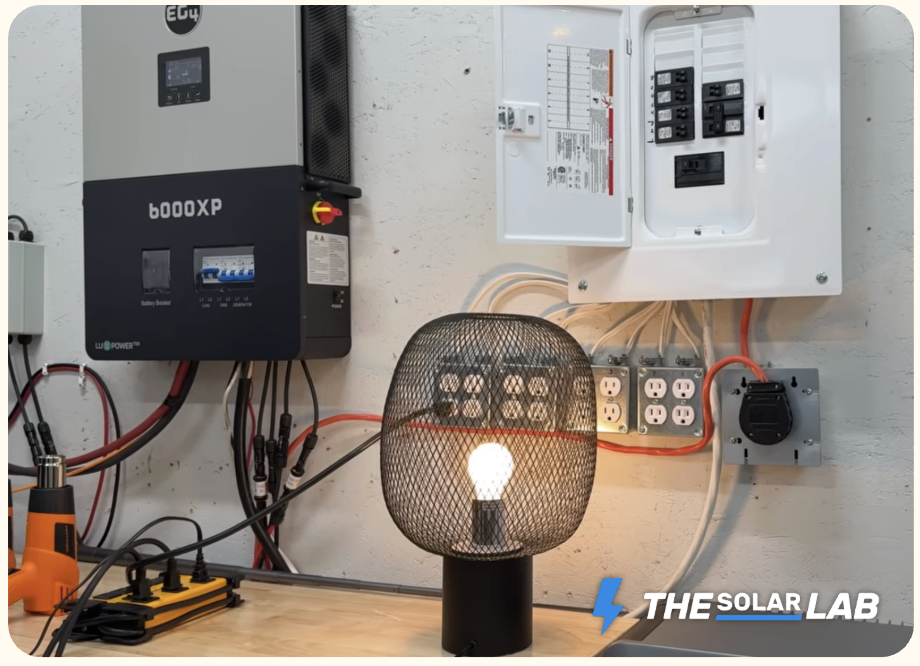
Here’s the part that confuses a lot of people at first: the smaller the AWG number, the thicker the wire. So, a 4 AWG cable is much thicker than a 10 AWG cable, and something like 0000 (4/0) AWG is extremely thick and designed for very high-current applications.
In practical terms, this means:
In solar power systems, you’ll commonly see a range of wire sizes. For example, thinner wires, like 10 AWG or 12 AWG, are often used for smaller solar panel wires, especially in short runs or lower output solar panel arrays.
As you move into higher current applications, like connecting batteries or wiring multiple inverters in parallel, you’ll start seeing much thicker cables, like 4 AWG, 2 AWG, or even larger.
What’s important to understand is that wire gauge isn’t just about whether it works, it’s about whether it works both safely and efficiently. Choosing too small of a wire increases resistance, which leads to heat buildup and voltage drop.
Making sure that your system is designed with the correct gauge helps keep things safe and efficient, as it ensures your wires can handle loads without unnecessary heat generation and power losses.
When it comes to choosing the right wires for solar, the stakes are usually even higher than in typical household circuits. That’s because most off-grid solar and portable power setups operate under conditions where efficiency and safety are critical.
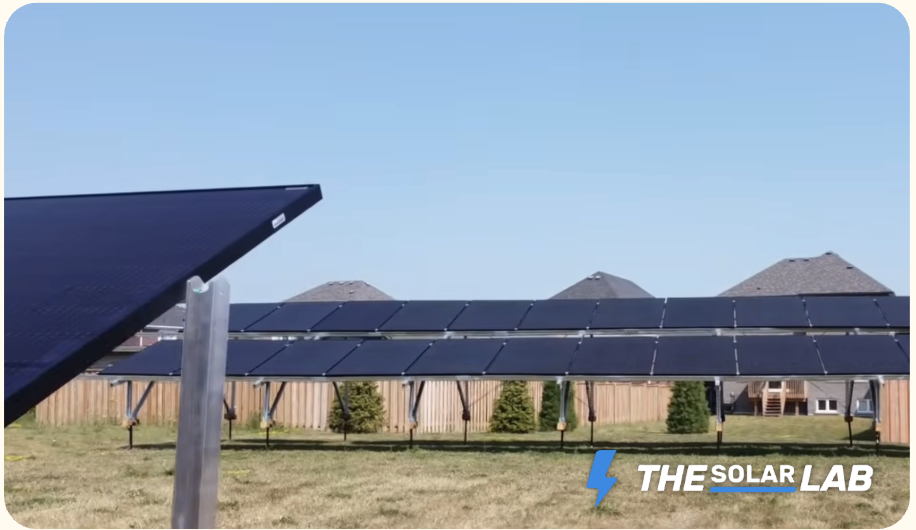
One of the biggest factors here is the difference between DC power and AC power. Since solar panels generate DC (direct current), solar wires must carry that type of electricity between the panels, charge controller, inverter, and batteries.
DC systems usually operate at lower voltages, which means they require higher current to deliver the same amount of power. Higher current means more heat, and more heat means you need thicker wire.
On the other hand, systems that primarily use AC power almost always operate at higher voltages, usually 120V or 240V. Because of this, they can deliver the same power using less current, which allows you to use smaller wire gauges than DC systems.
This is why the PV wires and DC cabling used for solar systems usually needs to be much thicker than most people expect, especially when compared to standard household wiring.
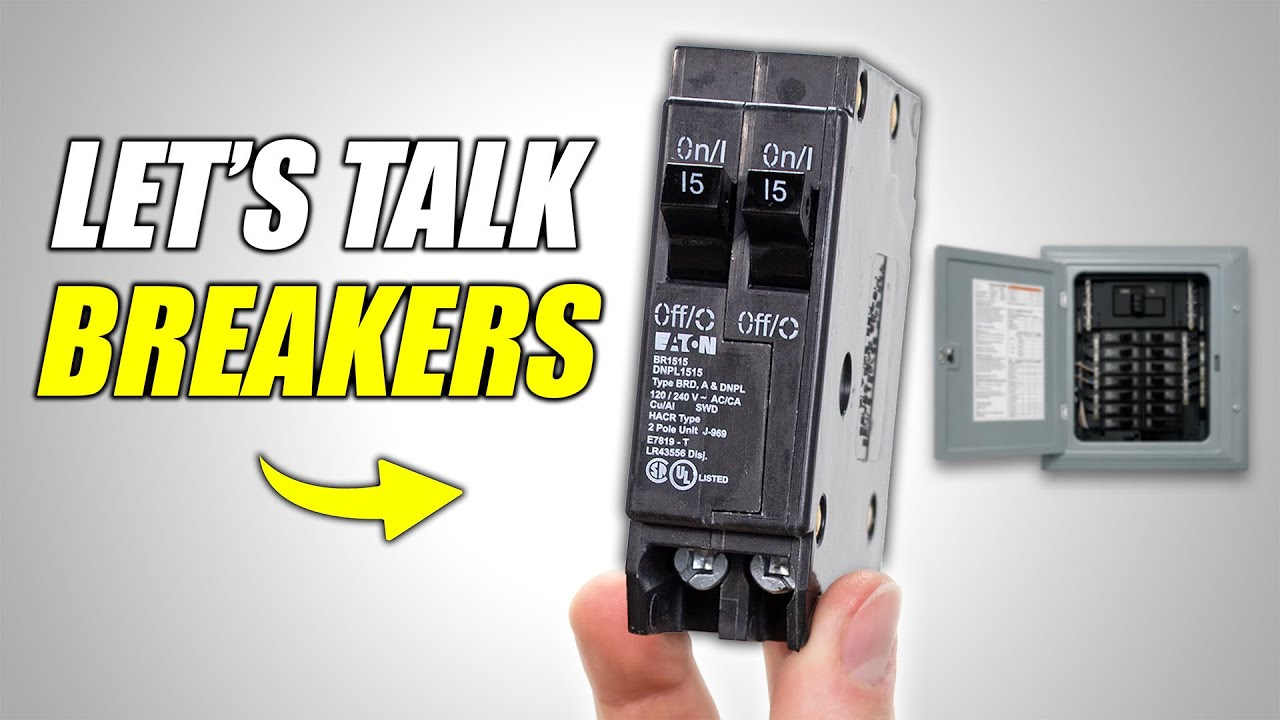
We covered circuit breakers in a previous guide, but it’s worth repeating some of the information given they’re amongst the most misunderstood concepts in electrical systems.
A circuit breaker is not there to protect your appliances and electrical devices. Instead, they’re used to protect your wiring. If your breaker is properly sized, it will trip before your wire overheats.
However, if you mismatch your breaker and your wire gauge, like using a larger breaker with a smaller wire, you’re creating a situation where the wire can overheat before the breaker ever has a chance to trip.
This is a common mistake people make when building their own DIY solar power system, and it’s one that can have serious consequences. If you are designing your own system, your wire gauges and circuit breakers need to match.
If you’re looking for more guidance, Renogy has a helpful guide to sizing fuses and circuit breakers that we’d recommend checking out.
After you have a basic understanding of wire gauges, you also need to familiarize yourself with the different types of wires. Just like the actual thickness of the wire, the material it is made out of will also impact performance. Here’s the basics:
When choosing solar cables, you’ll typically be deciding between copper and aluminum conductors.
Copper is considered the gold standard for most applications. It conducts electricity very efficiently, can handle a lot of heat before melting, and it’s mechanically strong. That’s why it’s regularly used for the wiring inside homes and critical connections within solar inverters.
On the other hand, aluminium has higher resistance and behaves differently under stress. It expands and contracts more with temperature changes and is more prone to connection issues if it isn’t installed correctly. It also requires special anti-oxidation paste to prevent corrosion over time.
Because of these weaknesses, aluminum wiring has developed a poor reputation, especially for residential applications. This wasn’t helped by the fact that it’s really easy to install aluminium wires incorrectly, as they have a tendency to stretch and break as they’re pulled through electrical conduits.
Still, that doesn’t necessarily mean that aluminum wiring is bad. In fact, aluminum is regularly used inside modern electrical systems, especially for long runs like service lines from transformers, or from solar panels to battery banks in higher capacity solar power systems.
When installed properly and sized correctly, aluminum wiring can perform really well. Plus, aluminum wires are usually a lot more cost-effective than expensive copper wires.
For most DIY and backyard solar setups, copper is still the safer and more common choice. But for huge systems that require a significant amount of lengthy wiring, aluminum can make sense.
If you’re able to lay your wires out using trenching, so you don’t have to worry about pulling the wires through tight spaces, aluminum wires can actually be a smart way to reduce your costs.
Another key decision when selecting wires for solar applications is whether to use solid or stranded wiring.
As you can probably guess, solid wire consists of a single conductor. They’re stiff, hold their shape well, and they’re commonly used in residential wiring inside walls. However, as wire sizes increase, solid wire can become difficult to work with due to its rigidity.
Like the name suggests, stranded wire is made up of many smaller wire strands twisted together to make a single wire. This makes it much more flexible and easier to route through tight spaces than solid wiring. Stranded wires also hold up better in environments with a lot of vibration and movement.
That’s why most solar cables, especially those used with portable power stations or external connections, are stranded. Flexibility matters when you’re routing cables between panels, batteries, inverters, or to various appliances.
As a general rule, once you move into larger wire sizes (around 8 gauge and above), stranded wire becomes the more practical choice.
One of the most important concepts in off-grid solar design is the relationship between voltage, current, and power. If you’re unsure what any of this means, you can read our Guide to the Basics of Solar & Electricity. Otherwise, you can read on.
Basically, if you increase voltage, you can decrease current while delivering the same amount of power. And since current is what determines how thick your wire needs to be, this has a huge impact on your wiring expenses, which can have a surprising impact on your total system cost.
This is why many modern solar power systems are designed to operate at higher voltages. By increasing the voltage of your solar array or battery system, you can use smaller, more affordable solar cables while still delivering the same total power.
It’s also why utility power lines operate at extremely high voltages, as doing so allows them to transmit massive amounts of power over long distances without requiring enormous conductors.
For DIY solar setups, this means you can often save money by designing your system to run at higher voltages instead of pushing high current through low-voltage wiring.
Another factor that often gets overlooked when sizing any sort of wire for solar power systems is distance.
The longer your wires run, the more resistance you create. This leads to something called voltage drop, where the voltage decreases as electricity travels through the length of the wire.
To compensate for voltage drop, you need to increase the wire size. Thicker wires have less resistance, which helps maintain voltage over longer distances. This is especially important in large-scale off-grid solar systems, where the distance between panels, batteries, and inverters can be significant.
If you want to keep costs down, one of the simplest strategies is to keep your wire runs as short as possible. Good system layout can save you a surprising amount of money on solar panel wires.
One detail that often catches people off guard is the size of ground wires. In most standard cables, like 14/2 or 12/2, the ground wire is actually one size smaller than the current-carrying conductors.
This is because it’s not designed to carry continuous load, only to handle a fault condition briefly until the breaker trips. In other words, you should never assume that a ground wire is the same gauge as the labeled cable.
It’s a small detail, but it matters when working with wires for solar and electrical systems in general.
Wire sizing isn’t just a technical detail, it’s a core part of building a safe, efficient, and cost-effective solar power system. When you understand how current, voltage, and resistance all work together, you can make smarter decisions about:
The result is a better-performing system that avoids unnecessary costs and potential safety issues.
At the end of the day, you don’t need an electrical engineering degree to get this right. You just need to understand the fundamentals, and once you do, designing an off-grid solar system becomes a whole lot more approachable.
If you want to learn more about building your own solar power system, we actually offer a free guide. Our Solar and Backup Power Guide contains six modules and a downloadable worksheet that will help you design and size your own solar or backup power system.
Signature Solar: https://signaturesolar.com/system-components
Use Discount Code SAVE50SOLARLAB for $50 Off at Signature Solar
Shop Solar: https://shopsolarkits.com/solar-cabling
Explore more practical tips, guides, and insights to help you get the most out of solar
More Resources >